
Short-term Care Pathways.
Support when life changes.

Short‑term care can make a meaningful difference during times of change.
Whether you’re recovering from an illness, adjusting to new health needs, or wanting to remain comfortable at home toward the end of life, these pathways offer focused support when you need it most.
Under the Australian Government’s Support at Home program, short term care pathways offer time limited, intensive assistance designed to help you regain independence, stay safe at home, or receive dignified care during the final stages of life.
The Commonwealth Home Support Program (CHSP) also offers some short‑term or occasional support such as respite or nursing care. CHSP services are generally lower‑intensity and entry‑level, while Support at Home provides more comprehensive, higher‑level short‑term pathways.
Below, we’ve broken down your short-term care options.
Support at Home.
The Support at Home program includes three dedicated short‑term pathways, each designed for a different stage of need.
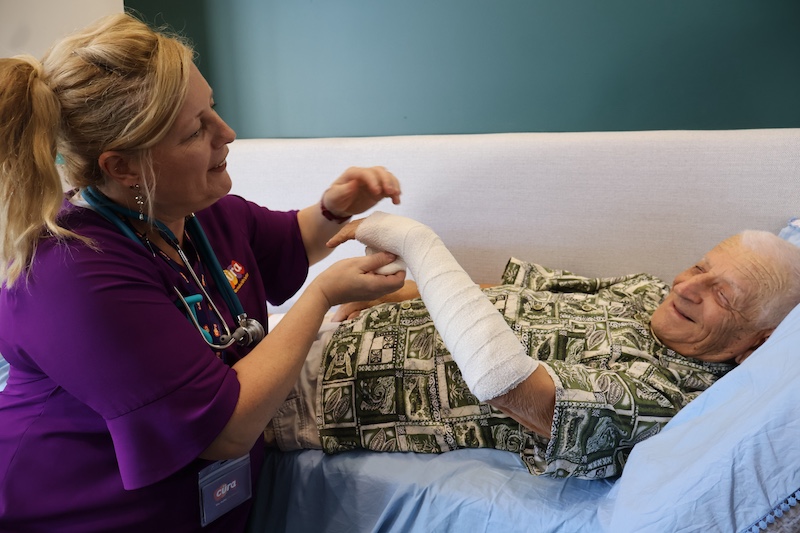
Helping you regain strength and confidence.
The Restorative Care Pathway provides short term, goal focused support to help you get back on your feet after a setback. It brings together allied health and nursing professionals to help you rebuild strength, mobility, and confidence so you can continue living independently at home.
What it offers
- Intensive rehabilitation after illness, injury, or hospitalisation
- A personalised plan built around your goals
- Support from physiotherapists, occupational therapists, nurses, and other specialists
Duration: Up to 16 weeks per episode, with up to two non-consecutive episodes every 12 months.
Funding: Around $6,000 per episode, with an additional $6,000 available for high intensity needs.

End of Life Pathway.
Comfort, dignity, and support at home.
The End-of-Life Pathway provides additional in-home support for people who wish to remain at home during their final months. This pathway offers high intensity care to help manage comfort, safety, and quality of life, complementing state based palliative care services.
What it offers:
- Nursing and personal care
- Support for comfort, dignity, and symptom management
- Help for families and carers during a difficult time
Duration: Typically, 12 weeks, with up to 16 weeks if funding remains
Funding: Up to $25,000 for in home aged care services.
Access: Requires a clinical assessment from a doctor or nurse practitioner.
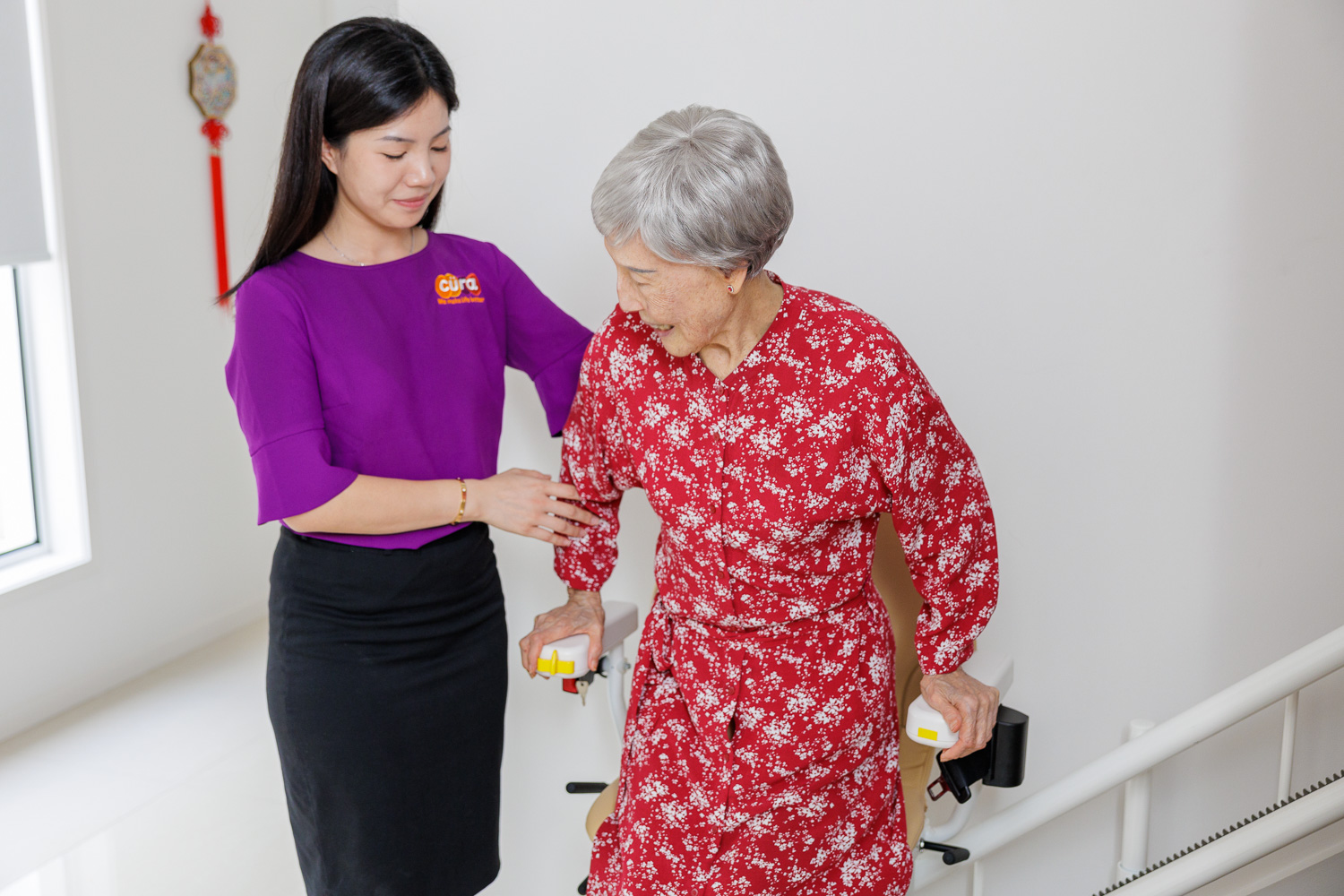
Making your home safer and easier to live in.
The AT HM scheme provides upfront funding for equipment and home modifications that help you stay safe and independent. This may include mobility aids, technology, or home adjustments such as grab rails or ramps.
Funding tiers:
- Up to $500 for minor items
- Up to $2,000 for moderate modifications
- Up to $15,000 for major modifications
This scheme can be used on its own or alongside other short-term pathways.
Need Support Getting Started?
Accessing support for the first time can feel complex, but you don’t have to work it out on your own. Whether you’re recovering from a setback, caring for a loved one, or exploring options for the first time, our team can guide you through the process.
Call 1800 841 212 to speak with our Care Partner team or reach out online if you’d prefer.

Pathways in More Detail
Restorative Care Pathway.
Getting you back on track sooner.
Restorative care (previously known as Short‑Term Restorative Care) is a short‑term, intensive program designed to help you regain or maintain your physical and cognitive function. It focuses on improving mobility, strength, and overall wellbeing so you can continue doing the things you enjoy at home.
Who it’s for:
- People aged 65+ (or 50+ for Aboriginal and Torres Strait Islander people)
- Those experiencing a decline in function or at risk of needing long‑term care
- People approved for the pathway through a My Aged Care assessment
- Special circumstances: People who are homeless or at risk of homelessness may also be eligible form 50.
Included
- Allied health services (physiotherapy, occupational therapy, podiatry)
- Nursing care
- Personal care
- Social support
- Equipment or minor modifications (if required)
Excluded
- Ongoing home care after the 16‑week period
- Permanent home modifications
End of Life Pathway.
Support for your final months at home.
This pathway provides additional care for people who have been diagnosed with three months or less to live and wish to remain at home. It focuses on comfort, dignity, and supporting both the individual and their family.
Eligibility:
- Aged 65+ (or 50+ for Aboriginal and Torres Strait Islander people)
- Diagnosed with a life expectancy of three months or less
- An Australian-modified Karnofsky Performance Status (AKPS) score
- Approved through My Aged Care
Funding can be used for nursing, personal care, respite, and other supports that help you remain at home for as long as possible.
Assistive Technology & Home Modifications (ATHM) Scheme.
Making your home safer, easier, and more comfortable.
The Assistive Technology & Home Modifications (AT-HM) Scheme provides extra funding—separate from your regular Support at Home —to help you access equipment or home adjustments that support your safety, mobility, and independence.
This may include items like:
- Grab rails
- Mobility Aids
- Wheelchairs
- Bathroom Modifications recommended by allied health professionals
You may be eligible if you:
- Are aged 65+ (or 50+ for Aboriginal and Torres Strait Islander people)
- Complete a My Aged Care assessment and are approved for an assistive technology or home modification tier
- Approved through My Aged Care
How to Apply for Short-term Care.
To access any of the Short-Term Care Pathways, you’ll first need to register with My Aged Care by calling 1800 200 422 for an assessment. This assessment helps determine which pathway best suits your needs and identifies the level of funding you may receive.
Once you’ve been approved, Cura—or your chosen service provider—will work with you to coordinate the additional supports you’re eligible for. Short‑term care funding is provided separately from your ongoing government funded services, giving you greater flexibility and peace of mind during times of change.

Need Short Term Support? We’re Here to Help.
If you’ve already been approved for a short‑term pathway, our team can help you get started with a personalised care plan.
If you’re still exploring your options, we can guide you through the My Aged Care assessment process and help you understand which pathway may be right for you.
FAQ's
What are Short‑Term Care Pathways?
Short-Term Care Pathways are time-limited programs funded primarily through the Support at Home program, with some lower intensity support available under Commonwealth Home Support Program (CHSP). They provide extra help during periods of change—such as recovering from illness, adjusting to new health needs, or needing comfort and support at the end of life.
How do I know which pathway is right for me?
Each pathway supports a different need. Restorative Care helps you regain strength and independence, the End‑of‑Life Pathway supports comfort during your final months, and the AT‑HM Scheme provides equipment or home modifications to keep you safe at home. Our team can help you understand which option best fits your situation.
Do I need an assessment to access short‑term care?
Yes. You’ll need to register with My Aged Care for an assessment. This helps determine your eligibility and the level of funding you may receive.
Can I receive short‑term care if I already have Support at Home or CHSP services?
Yes. Keeping in mind that your current service provision may be suspended for the duration of the short-term care.
Can I use more than one pathway at the same time?
Yes. Some pathways, such as the AT‑HM Scheme, can be used alongside others if you’re eligible and the supports complement each other.
Is there a cost to me?
Short-term care pathways are government-funded, but you may be asked to contribute to the cost depending on your financial situation. My Aged Care will explain any fees during your assessment.
What happens after my short‑term care ends?
This is dependent on your assessed level of funding or allocated program. If you still need support, you may require further assessment via My Aged Care. Our team can help guide you through the next steps.
Can Cura help me apply?
Absolutely. We can explain the process, help you understand your options, and connect you with My Aged Care to start your assessment.