


For many of us, hopping in the car to meet a friend is something we don’t think twice about. But what happens when that’s no longer an option? For thousands of older adults, handing over the car keys can feel like losing their connection to the world. This is where a vital, often unseen service comes in: community transport.
What is Community Transport?
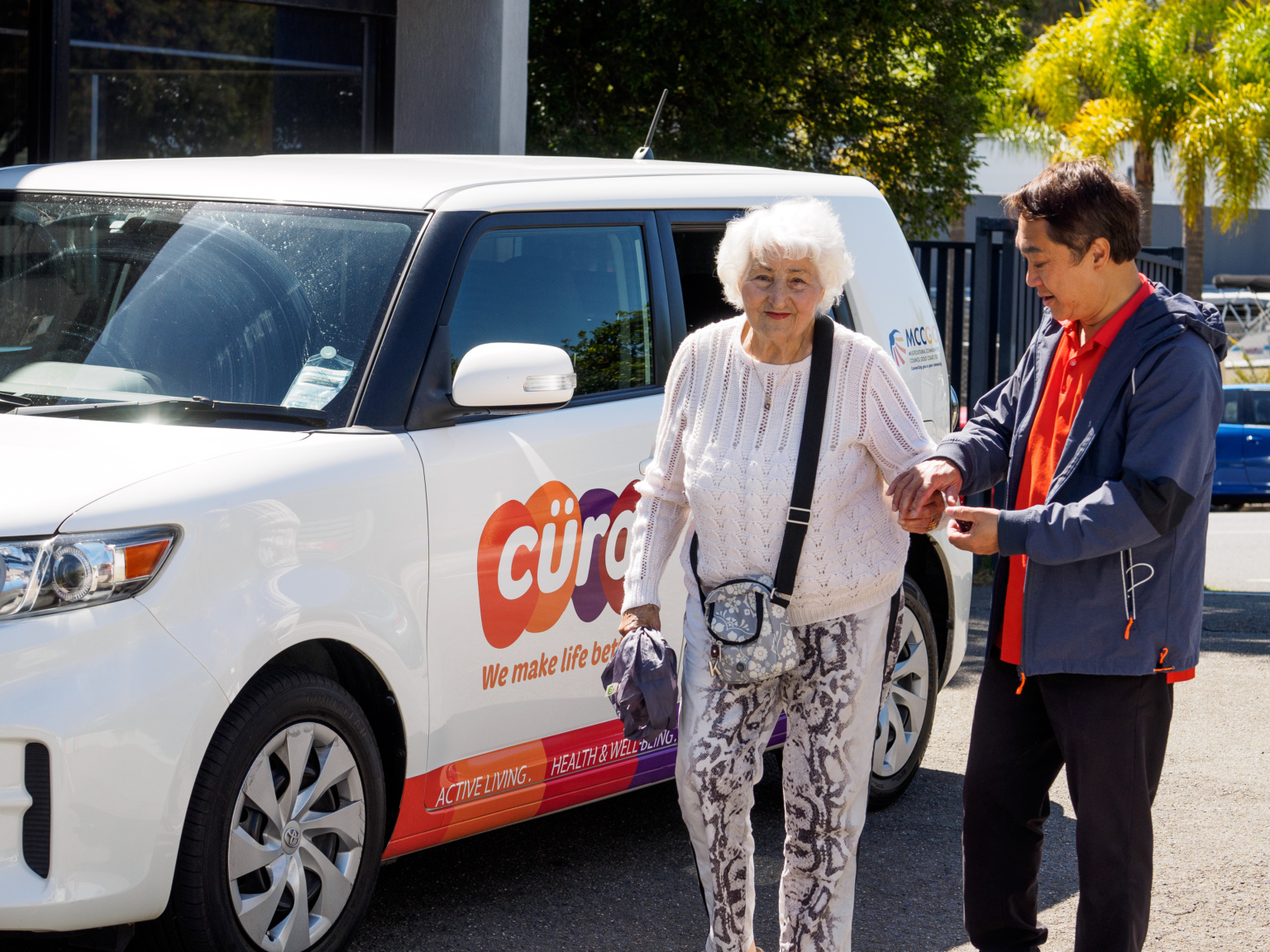
Think of community transport like a carpool or a friendly shuttle service specifically for neighbours. Unlike a standard taxi or city bus, these services often provide a personal, door-to-door experience. For someone like Barbara, 78, that means a driver helps her from her front door to the van, ensuring she gets to her weekly bridge game safely—a level of help public transport simply can’t offer.
These services are typically more affordable and social, often run by non-profits and powered by volunteer driver schemes for elderly residents. In Australia, many of these services are supported by government initiatives like the Commonwealth Home Support Programme (CHSP). The focus isn’t just on transportation; it’s on connection. This makes all the difference when comparing community transport vs public transport for elderly people, turning a simple ride into a chance to see a friendly face.
More Than a Ride: Health and Happiness
Perhaps the most critical benefit of community transport is its direct link to better health and wellbeing. Reliable transport ensures that essential health needs are met without depending on family or expensive private travel. Here is how specialised transport supports older adults:
- Access to Healthcare: Users can reliably attend crucial doctor’s visits, physical therapy sessions, or trips to the pharmacy.
- Combating Loneliness: Social support services often work hand-in-hand with transport. The shared ride itself becomes a social bright spot, filled with conversation and familiar faces, preventing the isolation that often comes with limited mobility.
- Peace of Mind: Knowing a safe ride is available provides enormous relief for both seniors and their families.
Supporting Personal Independence
Ultimately, community transport is about preserving personal independence. The ability to handle your own errands—like getting groceries or going to the bank—is fundamental to feeling in control. By providing a safe and affordable way to manage these daily tasks, this service empowers older adults to live life on their own terms, confidently and actively.
Whether it is part of a broader in-home care plan or a standalone service, accessible transport bridges the gap between the home and the community.
Where to Start Your Search
Arranging transport for yourself or a loved one is often just a friendly phone call away. Whether you’re planning for the future or need a ride now, here is how to find local services:
- Check Eligibility: Visit the My Aged Care transport page to see if you qualify for government-subsidised transport services.
- Search Online: Use terms like “senior transportation services near me” or “community transport [Your Town’s Name]” to find local providers.
- Contact Local Authorities: Reach out to your local council or community centre for a guide to local options in Southeast Queensland or Northern NSW.
- Ask the Right Questions: When you call, ask who is eligible for dial-a-ride services, if they accept Home Care Package funds, and what the costs are.
Ready to Get Moving?
These aren’t just rides; they are lifelines to friends, doctors, and independence. Taking this first step helps ensure the people in our lives and our neighbourhoods remain a visible, active part of the community we all share.
If you or a loved one needs assistance staying connected, contact the team at Cura Community Services today to discuss your transport options.